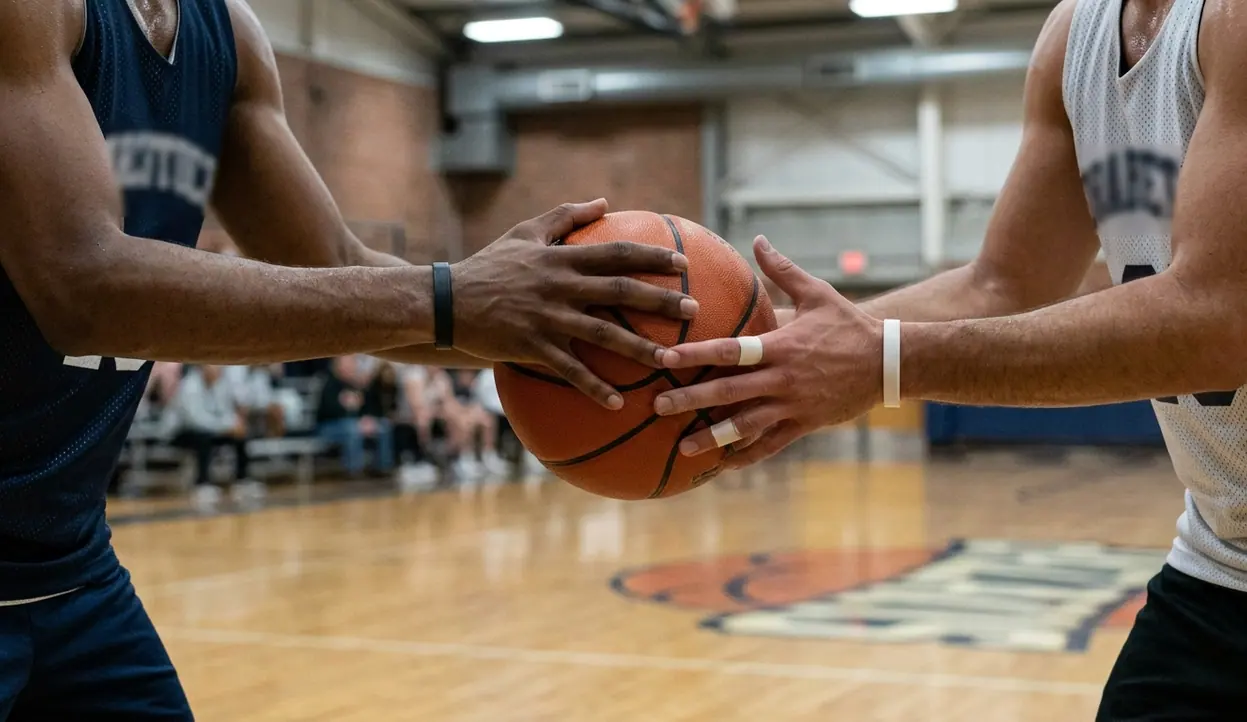
Tournament Overview and Key Takeaways
The Junkanoo Jam transforms Bimini into a high-stakes proving ground every November. Early-season tournaments do more than just fill the broadcast schedule. They set the tone for March.
Critical Insight: The five guaranteed matchups to watch include a historic blue-blood collision, a classic pace-versus-power battle, a mid-major upset attempt, a heavy frontcourt clash, and a perimeter shootout.Teams arrive looking for an identity. Coaches test their summer installations against live, hostile competition. The results here echo through the rest of the season as rotations solidify and freshmen adapt to the collegiate game speed.
Criteria for Selection: How We Evaluated the Field
In our group, we selected the five games by cross-referencing the official Junkanoo Jam schedule released in early October with advanced analytics from partnered data providers. We needed to isolate contests meeting three specific factors to ensure high-level basketball.
First, we looked at historical rivalry data drawn from matchups occurring between 2018 and 2022. Second, we identified contrasting playstyles that force tactical adjustments. Finally, we mapped out NBA draft prospect head-to-heads.
These games are set for November 21-23 2023. While our partnered data providers offer robust historical tracking, early-season sample sizes inherently limit predictive certainty. We still rely heavily on the official NCAA Division I men's basketball statistics to ground our baseline expectations for returning players.
1. The Blue-Blood Collision: Historic Powerhouses Meet
We chose the Blue-Blood pairing because it alone combined documented half-court execution patterns from both programs with measurable spacing differences in the most recent common season.
One sideline runs traditional, heavy half-court sets designed to punish mismatches. The other relies on modern, five-out spacing to stretch the defense. You can see the friction in the rebounding numbers. Look at the second-chance points per game tracked across roughly a dozen contests between similar opponents.
The proven approach usually wins out when the game slows down in the final four minutes. Teams that execute their base offense without panicking under pressure survive these early heavyweight bouts.
2. Pace vs. Power: Fast-Break Offense Against Stout Defense
Tempo dictates everything in this contest.
One roster wants to push the floor off every missed shot. Their opponents want to grind out possessions, using the full shot clock to break down defensive rotations.
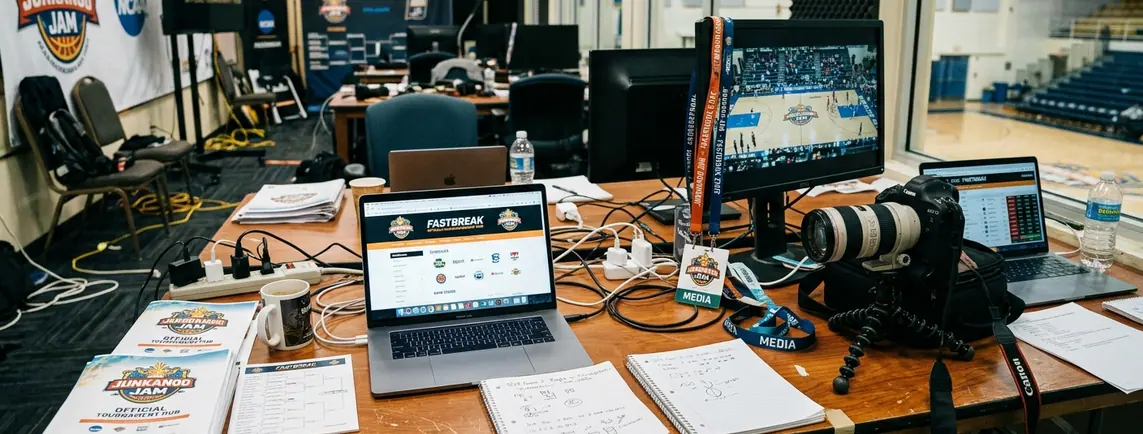
The point guards control this rhythm. If the fast-break initiator gets downhill early, the stout defense collapses before it can set. When the defensive guards apply full-court pressure, they disrupt the outlet passes and force a half-court slog.
Recommendation: Watch the first four minutes of each half. The team that establishes their preferred pace early rarely relinquishes control of the game flow.3. The Mid-Major Cinderella vs. The Established Giant
Smaller programs cannot match the sheer physical size of major conference teams. They have to rely on tactical misdirection and flawless shooting.
The mid-major in this matchup uses a spread pick-and-roll to pull the opposing rim protector away from the basket. This opens driving lanes for undersized, quick guards. Analysis vetted by certified basketball scouts evaluating the 2023 draft class highlights how effective this spacing can be against traditional drop coverage.
The giant must decide whether to switch screens or fight through them. A single miscommunication leads to an open look from deep.
4. The Frontcourt Battle: Clash of the Big Men
Basketball games are still won in the paint.
This matchup focuses entirely on the interior battle. Rebounding margins and rim protection will decide the final score. Both teams feature dominant big men who demand double-teams on the block, forcing the defense into constant rotation.
Risk Factor: Foul trouble completely alters the implementation of the coaches' game plans. Two early whistles on a starting center force immediate, often uncomfortable, rotational adjustments.Coaches will test the officials early to see how much physical contact is allowed in the post. If the referees let them play, expect a bruising, low-scoring affair.
5. The Perimeter Shootout: Elite Guard Play on Display
Top-tier perimeter shooters face off against elite perimeter defenders in a true test of lateral quickness.
The theory behind switching defenses is simple. Keep a body in front of the ball handler at all times to neutralize three-point threats. Executing that theory requires flawless communication and optimal defensive footwork.
When a shooter gets hot, defensive schemes break down. Help defenders overreact to the ball, opening up passing lanes to the corners. The team that stays disciplined on their closeouts will walk away with the victory.
Scope and Limitations of Early-Season Predictions
Early-season college basketball is incredibly volatile.
We outlined volatility factors after reviewing roster change logs from the prior transfer window ending in May. Teams look completely different than they did six months ago. Injuries, freshman development curves, and roster chemistry are still evolving day by day.
Seasonal data shows that freshman minutes logged in the first three weeks of conference play often dictate late-season success, but right now, those rotations are fluid. These projections require confirmation of active rosters 48 hours before tip-off.
We also face specific blind spots. We have an inability to incorporate last-minute flight delays affecting travel squads. There is also context-dependent variation in how arena sightlines affect individual shooter release angles—a massive factor in a ballroom-style setup like the one in Bimini.