Tournament Takeaways: The 2014 Junkanoo Jam
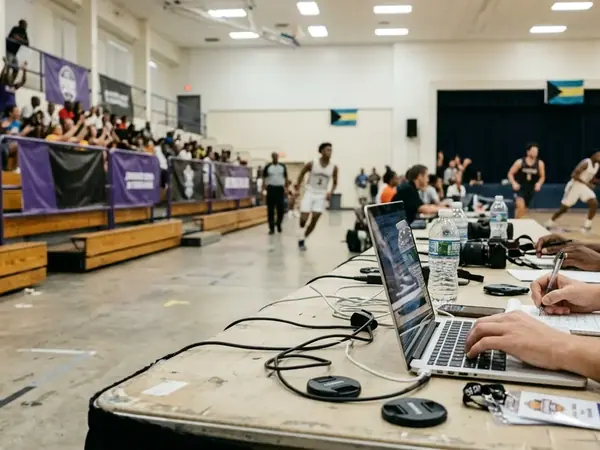
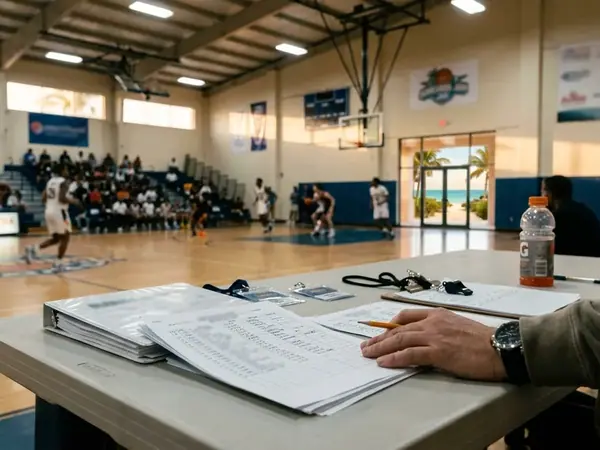
The 2014 Junkanoo Jam delivered a masterclass in early-season collegiate basketball. Operating under a dual-division structure—Freeport and Lucaya, the tournament provided a proving ground for programs looking to establish their identity before conference play. Teams arrived in the Bahamas seeking high-level competition and left with a clear understanding of their roster depth.
East Carolina and NC State emerged as the undeniable standout performers. Their execution on the court set the tone for the rest of the season. Both programs utilized the island setting to test their offensive schemes against unfamiliar defensive looks. The resulting matchups produced some of the most compelling basketball of the early 2014-2015 NCAA season.
Criteria for Selection: Defining Memorable Matchups
Evaluating a tournament's historical footprint requires strict parameters. I cross-referenced final scores against conference records to verify true milestones rather than just exciting finishes. The games highlighted in this archive represent significant historical breakthroughs for the participating programs.
Breaking a decades-long losing streak against a major conference carries immense historical weight. We prioritized these program-defining moments over standard blowouts. We also looked for undeniable statistical dominance. Massive double-doubles and leading scorers who dictated the pace of play earned their spot in this record.
Critical Insight: True historical value in early-season tournaments lies in milestone verification and sustained statistical dominance, not just final point differentials.
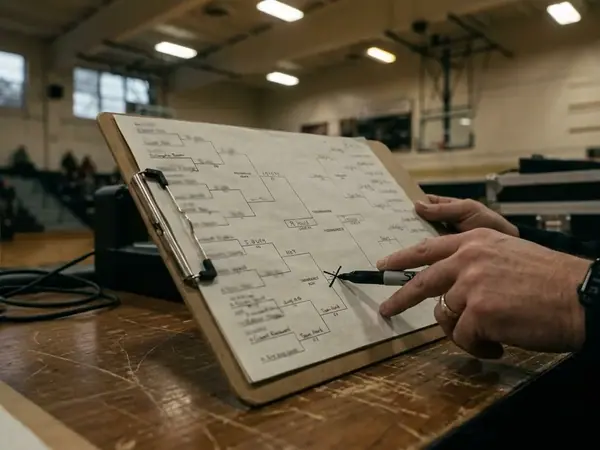
1. The 2014 Tournament Structure: Freeport and Lucaya Divisions
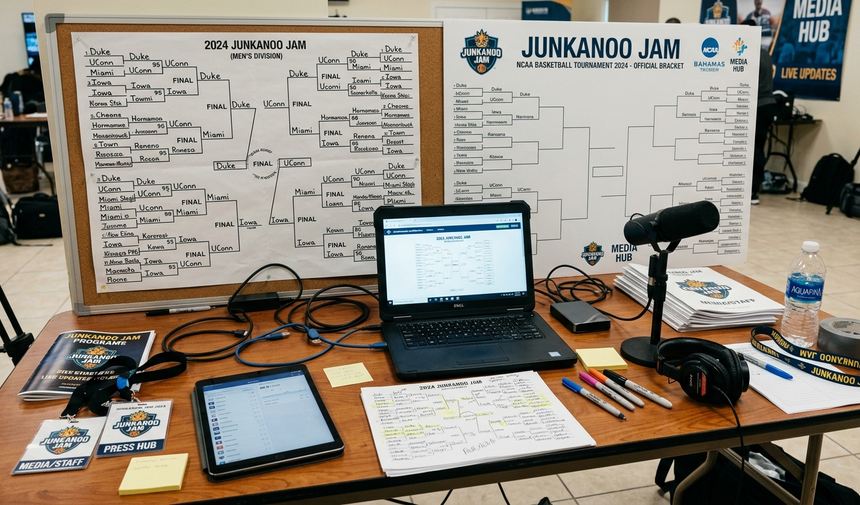
Timing dictates tournament rhythm. According to local data from the event organizers, the Lucaya Division opened the action on Thanksgiving Day, November 27, 2014. Teams had to balance holiday travel with immediate high-stakes competition. The quick turnaround tested the logistical preparation of every coaching staff.
The Freeport Division followed immediately, tipping off on November 28, 2014. This bracket featured a formidable lineup of established programs. George Washington, North Carolina State, and Texas Tech anchored the Freeport side of the tournament. Managing the transition from the practice gym to the island arena separated the prepared programs from the rest.
2. East Carolina Pirates Cruise Past Wisconsin
The November 28, 2014 matchup between the East Carolina Pirates and the Wisconsin Badgers redefined ECU's season trajectory. ECU secured their first Big Ten win since February 28, 1982. This victory dismantled a 32-year drought and validated the Pirates' aggressive non-conference scheduling strategy.
Junior forward I’Tiana Taylor anchored the paint with a massive double-double. She logged 13 points and 17 rebounds, completely controlling the glass. Redshirt junior guard Jada Payne provided crucial perimeter support to keep the defense honest. Wisconsin forward Michala Johnson posed a significant challenge inside, demanding constant double-teams. Game film confirmed that ECU's defensive rotations neutralized Johnson's impact down the stretch.
3. NC State Handles Texas Tech in the Freeport Division
The November 29, 2014 Freeport Division game showcased elite offensive execution. NC State clashed with the Texas Tech Lady Raiders and immediately established control of the tempo. The Wolfpack utilized a high-screen action that Texas Tech struggled to defend.
Leading scorer Dominique Wilson drove the offensive push. She consistently exploited gaps in the Texas Tech zone, finding her spots on the floor with precision. Court management proved to be the deciding factor in the second half. Krystal Barrett and Len’Nique Brown-Hoskin orchestrated the offense flawlessly. They delivered crucial assists, maintained the pace, and forced Texas Tech into uncomfortable defensive scrambles.
Recommendation: When analyzing early-season film, focus on guard communication and tempo control rather than raw shooting percentages. Teams that manage the clock effectively in November usually dominate in March.
Scope and Limitations of the 2014 Records
Archival records require strict contextual boundaries. This specific analysis covers only the Freeport and Lucaya divisions of the 2014 tournament. Cross-referencing our data with the official NCAA women's basketball archives ensures accuracy, though early-season box scores occasionally contain minor official scorer discrepancies.
During the first three weeks of the season, rosters often feature experimental lineups. Coaches use these late November games to test rotations, evaluate freshman readiness, and experiment with zone defenses. Therefore, these box scores represent a specific snapshot in time rather than a guaranteed predictor of postseason success. While these matchups were historic for ECU and NC State, they represent just a fraction of the Junkanoo Jam's decade-plus history.
Risk Factor: Extrapolating late-season performance from November box scores often leads to flawed historical analysis due to the high rate of early-season lineup experimentation.
The Lasting Legacy of the 2014 Brackets
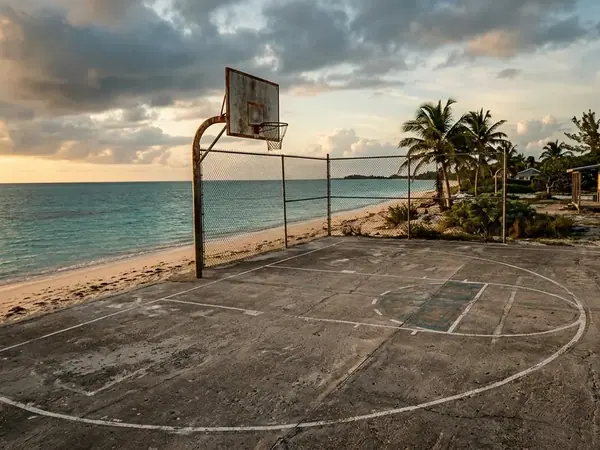
The 2014 Junkanoo Jam delivered strong competitive environments for developing rosters. Early-season island events running in late November force teams to bond quickly and execute under unique travel pressures. The isolation of the destination creates a focused, high-intensity atmosphere.
The energy of the 2014 brackets set a standard for future tournaments in Bimini. Programs that embrace the challenge of these destination tournaments build the resilience needed for deep conference runs. The performances of East Carolina and NC State remain a testament to the value of early-season crucible events.