Tournament Ticketing Defined: Essential Entry Verdicts for Traveling Fans
Destination tournament ticketing operates as a specialized access system combining multi-game session passes, resort-integrated credentials, and temporary arena protocols for NCAA women's basketball in the Bahamas. Traveling supporters arriving for early-season division play face three immediate operational rules before reaching the hardwood: mandatory credential pickup at designated resort desks, complete seating-bowl clearing between bracket sessions, and strict security screening at the gymnasium perimeter. Mastering these tournament details early keeps fans focused on the brackets & schedules rather than waiting in avoidable check-in queues.
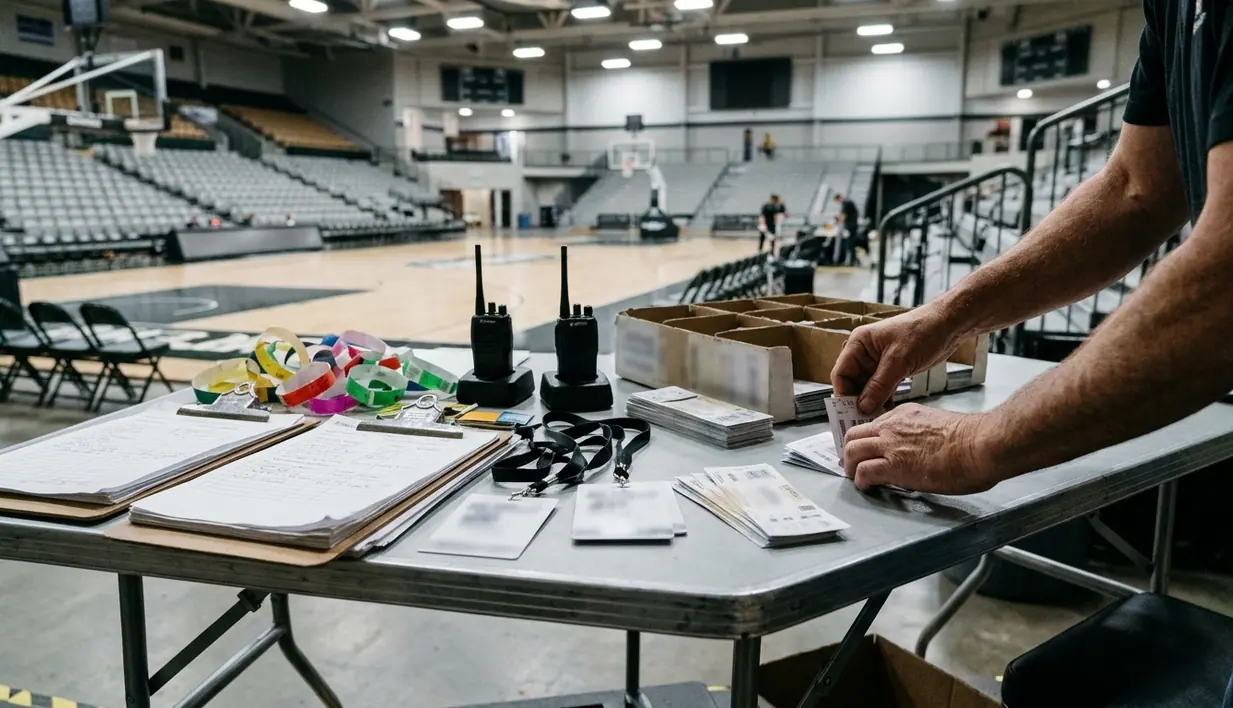
Opening-session credential desks are staffed from just over 90 minutes before the first tip and remain open through the afternoon bracket block. Once inside, spectators must prepare for the afternoon-to-evening session-pass fracture at the converted island court, where a courtside chair cleared for the first tip does not survive the bowl reset unless the credential is marked all-session. Seating-bowl clearing between the two games of a session runs 25 to 40 minutes when both squads need a full floor reset.
Early-season division play in an island setting differs sharply from standard on-campus arena operations. A university coliseum relies on permanent box office windows, fixed turnstiles, and season-long commuter parking patterns. In contrast, the island tournament week is the reference pattern for temporary resort-arena gates versus a campus office that stays in one location all season. When a host property converts a ballroom or local gymnasium into a broadcast-ready showcase, travel & destination logistics merge directly with venue security. Note that credential check-in desks are reset each year to the host resort floor plan, so a prior year's lobby position is not a reliable meeting point for returning alumni.
Breaking Down All-Tournament Passes, Single-Session Tickets, and Courtside Seating
Selecting the right admission credential requires understanding both the bracket cadence and the physical architecture of a temporary island venue. Spectators arriving at the perimeter doors present one of three distinct admission formats: a full-tournament package, a single-session pass, or a booster travel bundle issued directly by a visiting university's athletic ticket office.
- Full-Tournament Packages: These comprehensive lanyards grant entry across every bracket block, preserving your access through all afternoon and evening sessions without requiring separate daily purchases.
- Single-Session Passes: A single-session pass covers one afternoon block or one evening block, ordinarily two games, and does not admit the holder to the other block the same day.
- Booster Travel Bundles: Booster travel bundles are printed or loaded by a university athletic ticket office; resort front-desk staff cannot upgrade lodging into courtside.
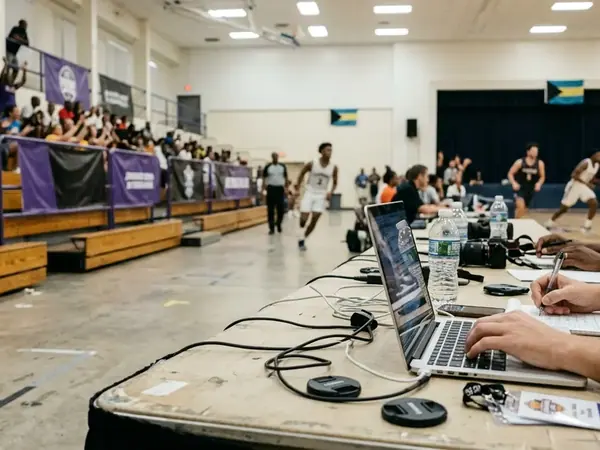
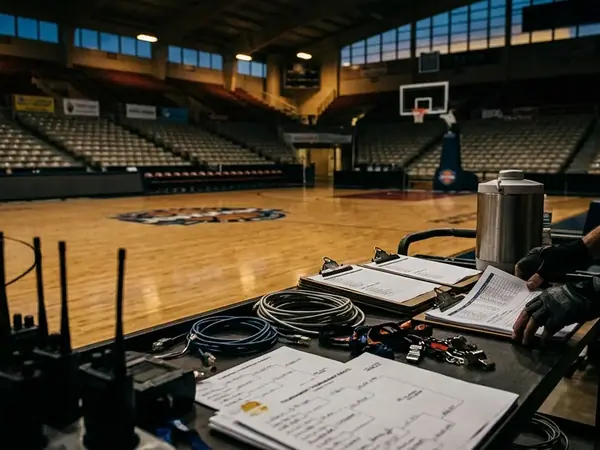
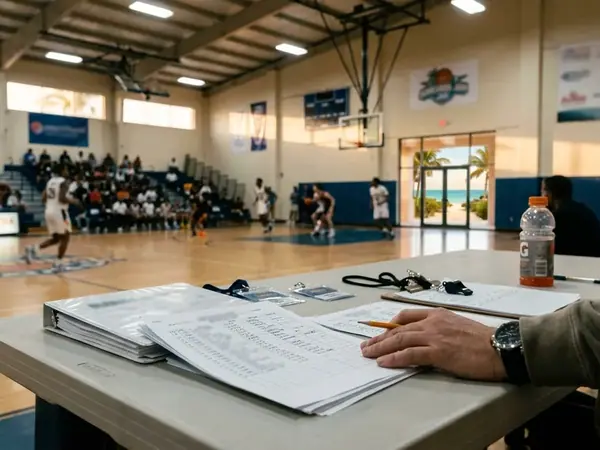
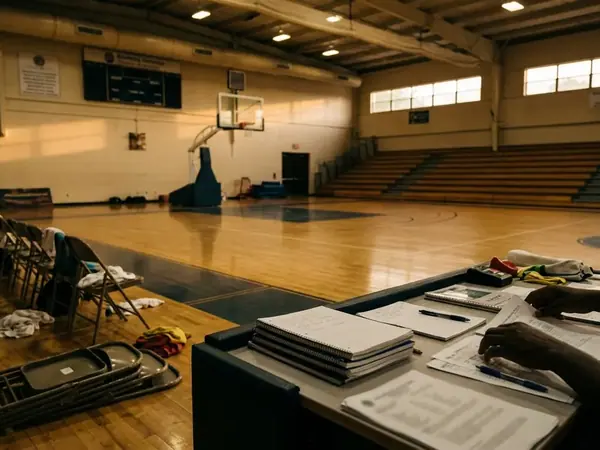
Inside the venue, the physical layout of a converted ballroom or gymnasium creates sharp sightline differences compared to a steeply raked campus arena. Courtside reserved chairs sit inside the team-bench buffer along the sideline; general-admission bleachers start behind the baseline, with the scorer's table breaking the near-side view. Because the floor lacks permanent elevated concourses, the proximity to the hardwood is extraordinarily intimate, placing baseline bleeders just feet away from inbound plays and corner three-point attempts.
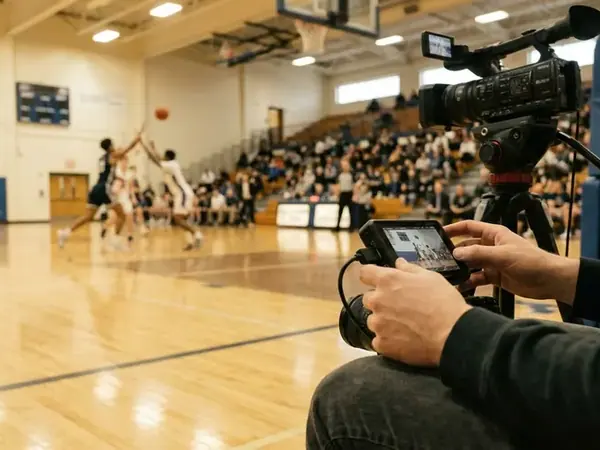
Seating dynamics during a doubleheader unfold much like a pre-game lineup analysis. Fans of participating NCAA programs rotate through the primary viewing sections between the afternoon and evening tip-offs, trading baseline positions so vocal student sections and family blocks can sit behind their respective team benches. While remote production crews calibrate courtside cameras and audio parabolic dishes along the sideline buffer for the live news & webcasts, floor marshals actively usher single-session holders toward the exits as soon as the final buzzer of the afternoon block sounds. Only fans holding verified all-tournament credentials or tickets for the upcoming block are permitted to re-enter once the hardwood sweep concludes.
Navigating Doubleheader Re-Entry, Clear Bag Mandates, and Prohibited Items
Managing spectator flow between matchups is the tightest operational window of any destination showcase. During a doubleheader transition, venue staff sweep the seating bowl, reset displaced courtside chairs, sanitize the bench areas, and reopen the security screening lanes before the second tip-off of the session. Spectators cannot simply linger in the bleachers between distinct bracket blocks if the floor requires a full operational turnover.
Stepping out to enjoy the Bahamian resort grounds, beach paths, or property dining areas between halves and games is a signature perk of island tournament history, provided fans follow the wristband and pass-scan procedures. Leaving the air-conditioned gym envelope requires a verified exit scan or session wristband check at the door. Returning fans must then pass back through the primary security perimeter. A dining step-out is re-scanned in 8 to 12 minutes when two screeners staff the re-entry lane; a mass exit between games can take 15 to 25 minutes to re-clear.
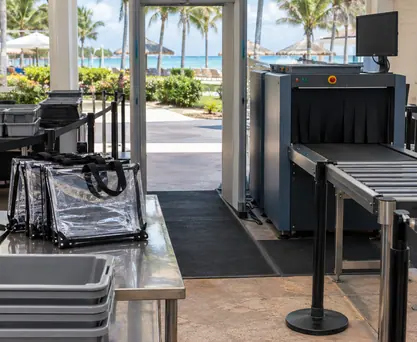
Every spectator crossing the perimeter encounters the joint-code screening boundary at the resort gym door, where a 12-by-6-by-12 clear bag still fails if it violates the local safety list after it already satisfies the championship event list. While standard NCAA women's basketball championship fan and venue guidelines establish the baseline expectations for collegiate spectators, temporary island venues enforce strict table checklists to protect both the compact court and the broadcast infrastructure.
- Clear Bag Dimensions: Clear bags accepted at the screening table are limited to 12 inches by 6 inches by 12 inches; larger totes are turned back. Beach bags, resort backpacks, and opaque purses must remain in your hotel room.
- Camera and Lens Limits: Detachable professional telephoto lenses are refused without a working media credential for that session; phones and pocket cameras stay with the holder. Long lenses obstruct tight sideline walkways and interfere with baseline broadcast positions.
- Banned Noisemakers and Food: Air horns, whistles, and pole-mounted flags are collected at the table and held until the session ends; outside food and open beverages are refused. Artificial noisemakers overwhelm court-level microphones in low-ceiling ballrooms and gymnasiums.
Courtside Camera Bag Rules
Leave detachable zoom lenses and camera bodies in your resort room safe unless you hold an active media credential for that specific bracket block. Security screeners at the gymnasium threshold enforce this rule without exception to protect court-level sightlines and live webcast operations.
ADA Seating Requests, Mobility Logistics, and Family Accommodations
Securing wheelchair-accessible spaces and companion seating in a converted resort venue requires advance coordination before flying to the island. Because temporary floor diagrams are built from the hardwood outward using modular riser systems and portable chairs, accessible zones must be locked into the CAD layout before the operations crew sets the perimeter.
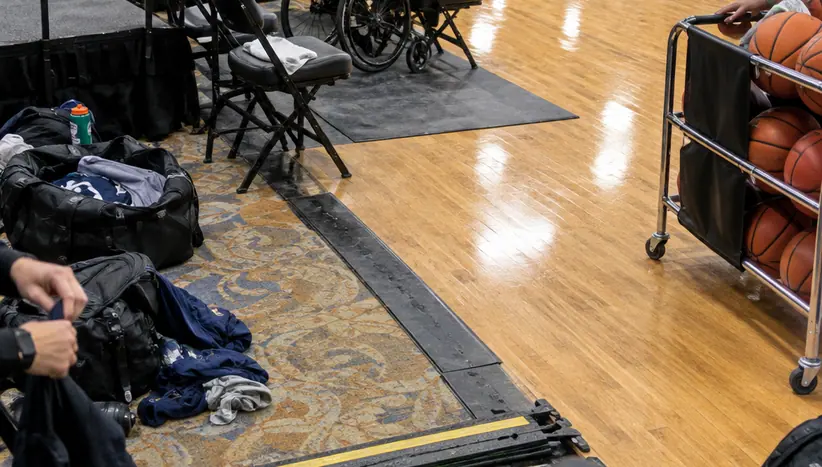
- Submit Pre-Arrival Requests: A wheelchair space plus one companion seat is requested 10 to 14 days before arrival, before the session floor diagram is locked. Contact the tournament operations desk or your university's travel coordinator during this two-week window to guarantee baseline or floor-riser allocation.
- Trace the Step-Free Route: Upon arrival at the property, bypass the main spectator staircase leading from the mezzanine. The step-free corridor from resort drop-off to court level is a 3- to 5-minute move at mobility-device pace when the service-elevator queue is short.
- Confirm Companion Check-In: Named companion seats are confirmed at pre-tip check-in; unclaimed companion spots move to the standby line in the 40- to 50-minute window before opening tip.
Physical navigation around the courtside transition areas demands extra awareness during team warmups. In a compact island venue, the buffer zone between the baseline apron, audio cable ramps, and the first row of accessible risers is narrow. Families and alumni groups with mobility needs should coordinate directly with on-site tournament operations staff at the credential desk before the opening tip-off of marquee matchups. Operations ushers will escort mobility-device users across the court perimeter before the teams take the floor for final shooting drills, ensuring a smooth, unhurried arrival at your designated baseline space.
Why Securing the All-Tournament Pass Before Departure Is the Only Smart Play
Building a reliable game-day arrival clock requires working backward from the conclusion of pre-game warmups rather than the scheduled tip-off time. General-admission bleachers behind the baselines fill rapidly while players are still running layup lines, and three separate entry queues stack simultaneously when a tight fourth-quarter finish in an earlier block draws a sudden walk-up crowd—observations from courtside broadcast operations confirm as much.
- 75 to 90 Minutes Before Warmups: Passes not collected before travel should be picked up at will-call 75 to 90 minutes before the warmup window. Arriving in this window beats the team-bus drop-off surge.
- 45 to 60 Minutes Before Tip-Off: Enter the security perimeter. A single clear-bag lane at peak entry adds 4 to 7 minutes per spectator.
- 40 Minutes Before Tip-Off: Clear the inner credential scan to claim general-admission bleacher seats or confirm ADA companion spots before standby reallocations begin.
Relying on walk-up box office availability during the final rounds is a well-documented trap in tournament history. When standout individual scoring performances or buzzer-beating semifinal finishes energize the resort grounds, casual travelers and undecided alumni flood the ticket table at the exact same hour. Championship-session will-call has run 20 to 35 minutes in the hour before tip when both programs travel large alumni groups, with door sales stopping once that session's occupancy count is reached. Temporary ballroom and gymnasium venues have strict, non-negotiable fire-marshal capacity ceilings.
Always lock in the full All-Tournament Pass coupled with an official resort package prior to flying to the Bahamas, rather than gambling on single-session walk-up availability at the venue door. Securing your proven all-session credential before departure eliminates the midday box-office bottleneck, protects your courtside or baseline seat across every afternoon-to-evening bowl reset, and guarantees you are inside the gym before the championship tip-off leaves latecomers stranded in the resort lobby.