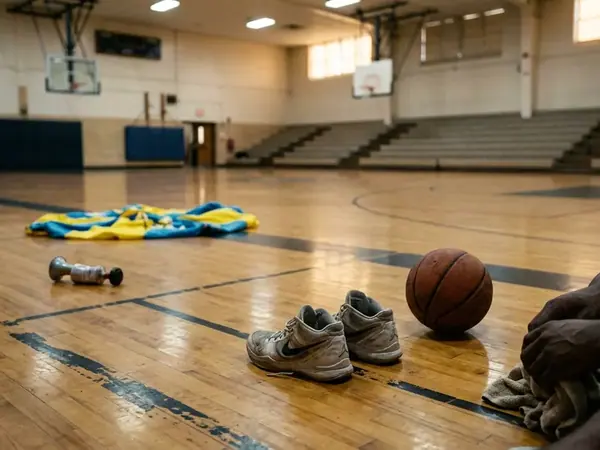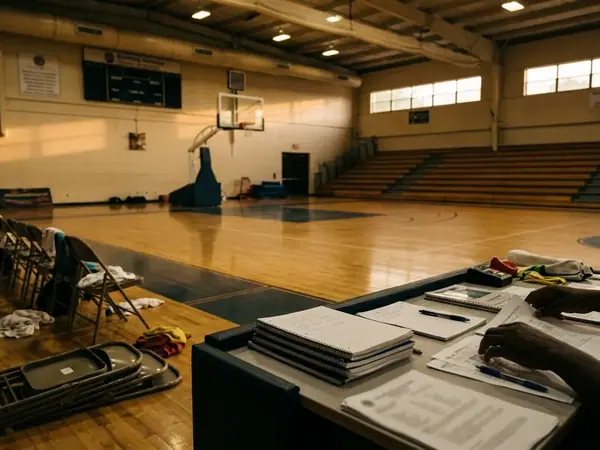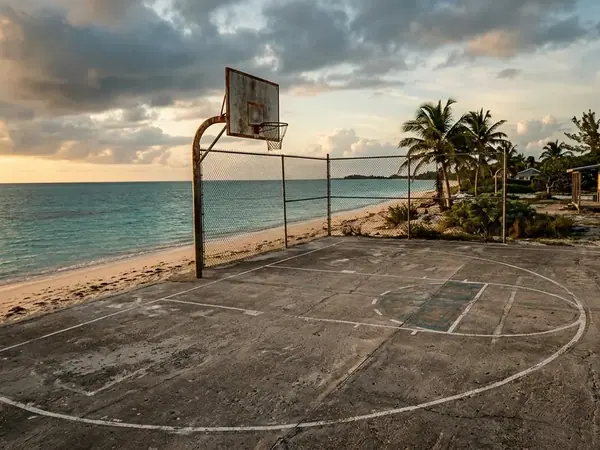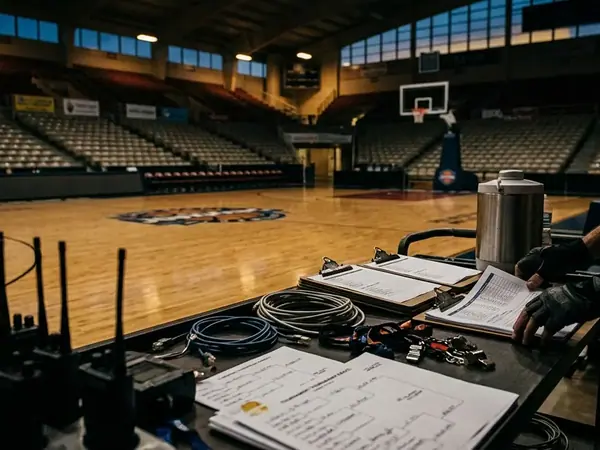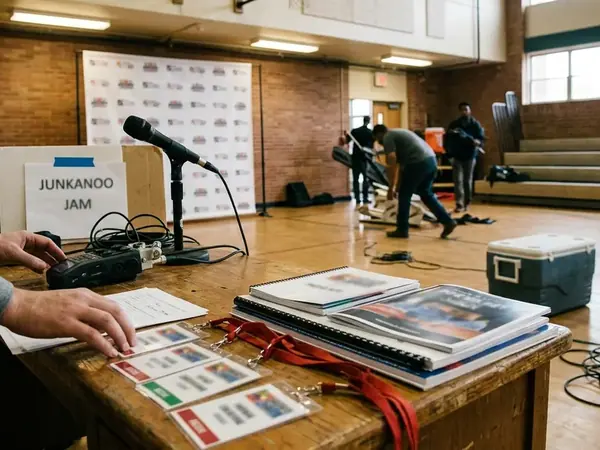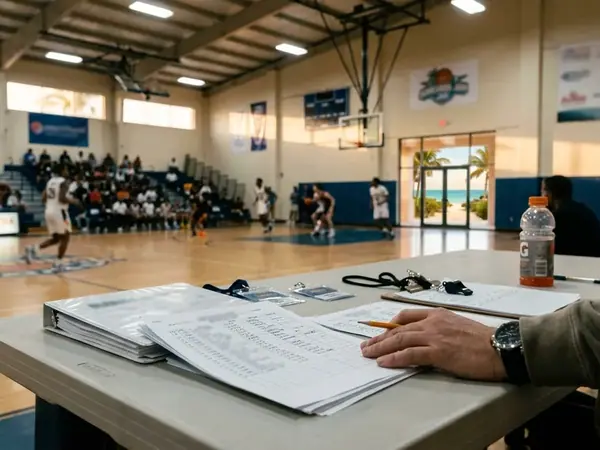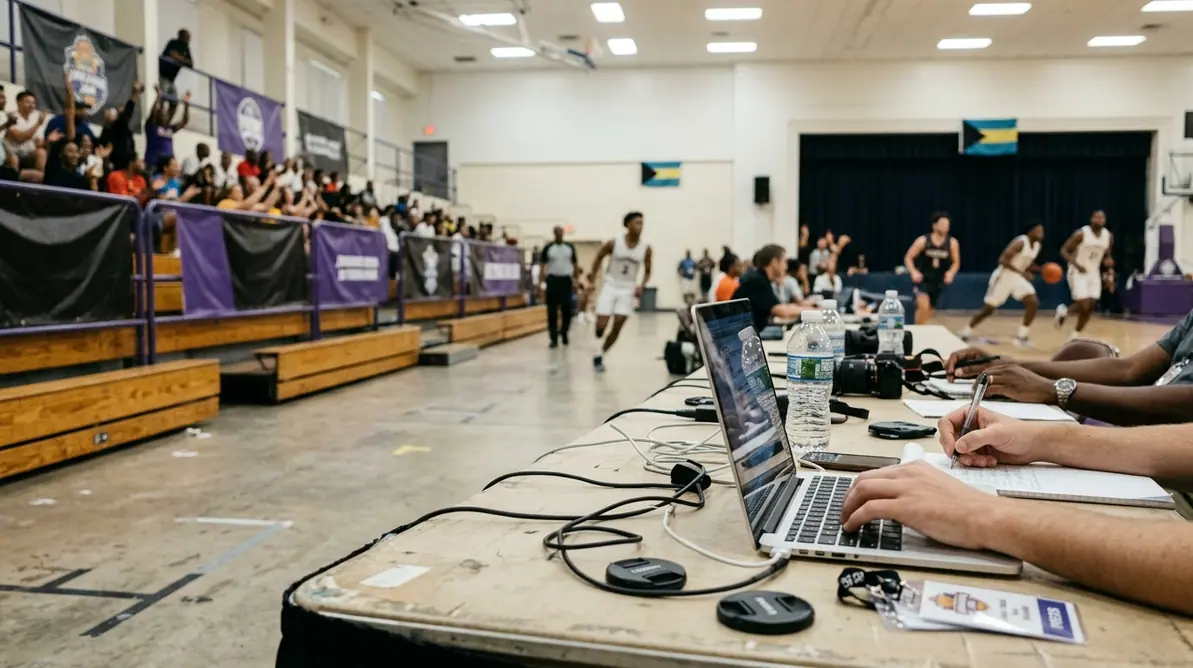
The Verdict: Elite Hoops Meets Island Luxury
How do you maximize a sports travel budget when the choice appears to sit between elite early-season basketball and a premium tropical vacation? The Junkanoo Jam removes that trade-off. It places high-stakes NCAA women’s basketball inside a genuine Bahamian getaway, allowing one itinerary to serve the game, the destination, and the traveling group.
That combination matters because tournament travel consumes more than the price of admission. Flights, rooms, local movement, meals, and unused hours all shape the value of a trip. A mainland multi-arena schedule can deliver strong matchups while leaving fans to manage long transfers and scattered gathering points. A single-site tropical format concentrates the experience.
I evaluate this trip through four practical criteria: destination appeal, quality of competition, fan access, and alumni integration. The comparison focuses on November tournament clusters lasting three to five consecutive days. It is a travel-planning framework rather than a prediction of team performance, so brackets & schedules still require a separate review once the field is announced.
- Destination appeal: Can the group use open hours for a worthwhile Bahamian experience?
- Competition quality: Do the matchups offer an early look at programs with serious postseason ambitions?
- Fan access: How much time and friction sit between the room, the court, and the next activity?
- Alumni integration: Does the setting create natural places for supporters to gather?
On those terms, the Junkanoo Jam earns its place on a basketball travel list. Its strongest feature is concentration: meaningful games, resort access, and group interaction occupy the same compact window.
Five Reasons the Junkanoo Jam Belongs on the Basketball Bucket List
The appeal becomes clearer when the trip is traced hour by hour. Fans move from beachfront suites to the hardwood, fit a destination block into the morning, return for afternoon tip-offs, and continue team gatherings around the resort. Five details make that rhythm distinctive.
1. The Court Feels Remarkably Close
Resort arena footprints typically hold on the order of 2,500 spectators or fewer. That scale changes the sensory experience. Fans can hear coaches directing possessions, follow communication on the floor, and feel a momentum swing without watching it unfold from an upper deck.
Suite-to-arena walks generally fall within four to nine minutes along resort paths. A supporter can leave the room shortly before a session, arrive without a cross-city transfer, and return between games with little disruption. Families and alumni groups gain more control over their day because movement requires less coordination.
2. November Games Carry March Clues
Early-season tournaments reveal useful traits before conference play settles into familiar patterns. Programs face opponents outside their usual schedules, often with limited recovery time between games. Rotation depth, late-game decision-making, and defensive communication become visible quickly.
Competing programs commonly arrive 48 to 72 hours before the first tip for acclimation. By game day, the atmosphere carries more weight than a casual holiday exhibition. These matchups can provide an early preview of teams capable of building toward an NCAA Women’s Basketball Tournament run, even though November results never settle the March picture by themselves.
3. Alumni Gatherings Happen Naturally
A shared resort changes group behavior. Supporters encounter one another in lobbies, near pools, along walking routes, and before arena doors open. Those repeated contacts turn ordinary pauses into unofficial pep rallies.
This format works especially well for alumni groups whose members arrive from different cities. The resort provides a common base without requiring every interaction to appear on a formal itinerary. A designated group meet-up still helps, but camaraderie does not depend on a rigid sequence of receptions and transfers.
4. The Bahamas Fits Between Tip-Offs
Morning snorkeling or local dining blocks can fit into three- to four-hour windows before afternoon games. That is enough time to experience the destination without sacrificing the basketball session that justified the trip.
The discipline lies in working backward from tip-off. Build in time to return to the resort, change, eat if necessary, and walk to the arena. Flight timing also deserves attention. Inbound flight banks through Nassau can compress the morning excursion window, particularly on an arrival day that overlaps with tournament details.
5. One Resort Keeps the Group Together
Single-site travel reduces the number of handoffs that can disturb a tournament day. Rooms, informal alumni gatherings, and the arena remain close enough to support a shared plan while still giving travelers room to choose their own morning activities.
The advantage is strongest for groups holding official on-site accommodations. Boutique venue size keeps the available fan packages far smaller than inventory at mainland multi-arena events. Once a traveling party exceeds the pre-blocked resort room allotment, some members may have to stay off-site, weakening the compact rhythm that makes the trip valuable.
Keep the Resort Core
Before inviting additional travelers, confirm how many rooms remain inside the official block. Protecting on-site space for the core group is more useful than expanding the headcount and splitting everyone across separate properties.
Build the November Trip Before Rooms Tighten
Once the upcoming brackets & schedules begin to take shape, planning should move from interest to assignments. The room block drives the rest of the trip. Flights and excursions can be refined later, while lost on-site inventory may be difficult to replace.
- Set the traveling party. Ask for firm responses rather than expressions of interest. Record room pairings, arrival cities, and any travelers whose plans depend on the game schedule.
- Lock the official package six months ahead. Room sell-through in past Novembers tends to make the six-month point the practical booking target. Coordinate deposits and package selections under one group lead.
- Review documents 90 to 120 days before departure. Check each traveler’s passport validity and review the current Bahamian entry protocols. Resolve documentation gaps while the departure date still leaves room to act.
- Shape activities around tip-off. Use confirmed tournament details to place snorkeling, dining, or beach time inside clear morning blocks. Preserve a return buffer instead of scheduling an excursion to end at arena entry time.
Assign one person to monitor travel & destination updates and another to track news & webcasts. This division prevents a rooming change from becoming tangled with a schedule alert. It also gives the group a clear source for final arrival instructions.
November Booking Mark
To guarantee on-site accommodations within the available official package inventory, coordinate the travel group and complete the resort booking at least six months before tip-off.
Today, name the group lead, set a firm traveler-response deadline, and request the official resort package for booking no later than six months before the November tip-off.