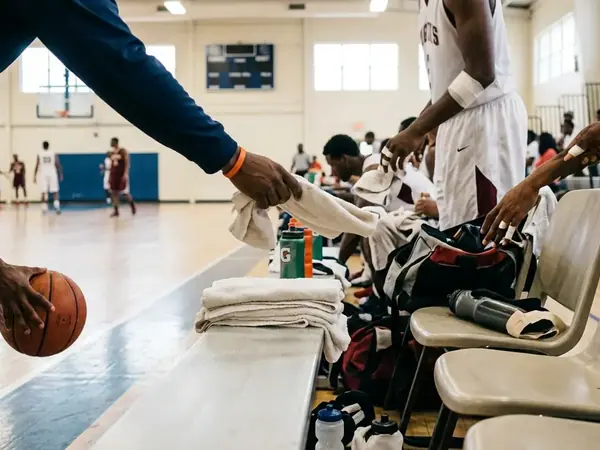
Pre-Game Context: Stepping Off the Sand and Into the Stands
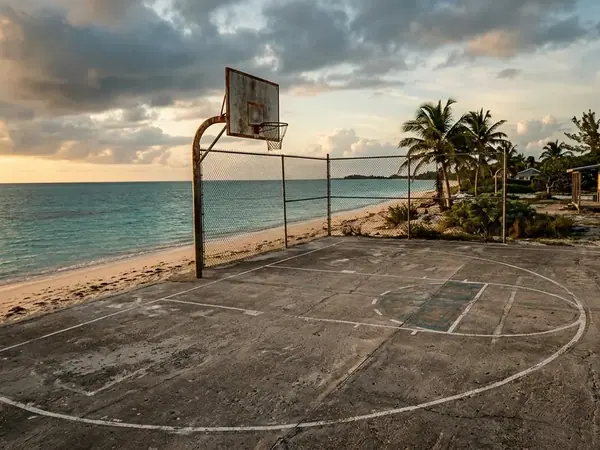
A fan shakes white sand from their sandals as a muffled gymnasium buzzer cuts through the palms. A beach towel hangs over one shoulder. Team colors cover the other. In that instant, the day changes from island time to game time.
Starting Five
- Check the shuttle board the night before. Waiting until breakfast can leave you on the curb for the 9:30 a.m. tip.
- Build around must-watch matchups. Put fixed tip-off times on the schedule before adding meals, swims, or market stops.
- Carry a two-climate kit. Water, sunscreen, and a light layer handle the shift between tropical heat and arena air.
- Protect the session gaps. Allow for food queues, security lines, shuttle cycles, and the walk back to the entrance.
- Arrive early for the night game. Evening crowds gather quickly, especially around lower-bowl seating.
Contents
- Pre-Game Context: Stepping Off the Sand and Into the Stands
- The Starting Lineup: Mapping Out Your Daily Roster
- First Half Action: Managing the Early Tip-Offs
- Halftime Adjustments: Strategic Meal Breaks and Island Time
- Second Half Execution: The Energy of Evening Sessions
- The Final Result: Postgame Celebrations Under the Stars
The match report for a strong Junkanoo Jam day covers more than the score. Fans also have to beat the clock. Morning preparation, resort transportation, back-to-back games, meal queues, and evening seating all compete for the same hours.
Start early. A morning kit check and sunscreen application fit within the hour-plus window before the first shuttle call. Pack the essentials then: mobile ticket, identification, water, sunscreen, team gear, and a light top for the gym. Repacking between sessions usually burns time that looked generous on paper.
Most tournament-contracted resorts sit roughly one to three miles from the arena entrance. That sounds close, yet mileage alone says little about the next shuttle cycle or the traffic outside the venue. Treat every departure as part of the brackets & schedules plan.
The Starting Lineup: Mapping Out Your Daily Roster
The daily roster has three clear blocks. The morning session runs from 9:30 a.m. to 12:45 p.m. The afternoon block occupies 2:00 to 5:15 p.m., while evening tips open between 7:00 and 7:30 p.m. Those times form the frame for everything else.
Draft the Games First
Mark each matchup as must-watch, preferred, or optional. A must-watch game gets its own arrival target and travel buffer. Preferred games stay on the plan unless an earlier contest runs long. Optional windows can become beach time, a meal, or a short look around the destination.
I build the itinerary from tip-off backward: seat time first, security next, transportation after that, and resort departure last. This keeps an appealing open afternoon from quietly swallowing a game that mattered more.
- Copy the confirmed tournament details into one daily schedule.
- Circle the games tied to your team, bracket interest, or favorite matchup.
- Set an arena arrival time for each protected game.
- Add the expected shuttle run and a reasonable waiting window.
- Assign only the remaining gaps to travel & destination plans.
Measure Transit by the Clock
Resort-to-gym shuttle runs take somewhere around 15 to 25 minutes once traffic and vehicle cycles are factored in. Transit can stretch past that range when several hotels empty onto the same road after a morning session lets out. The island may feel compact, but travel time between a specific resort and the gymnasium still changes with local traffic and shuttle availability.
Protect the 9:30 Tip
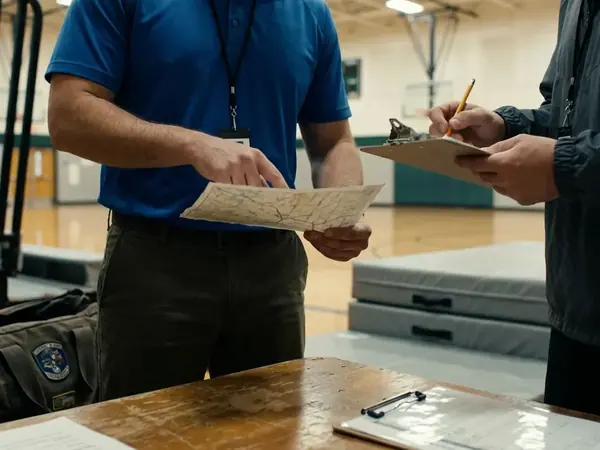
Read the shuttle board the night before and confirm where the queue forms. Skipping that check can leave fans waiting at the wrong curb as the first game begins.
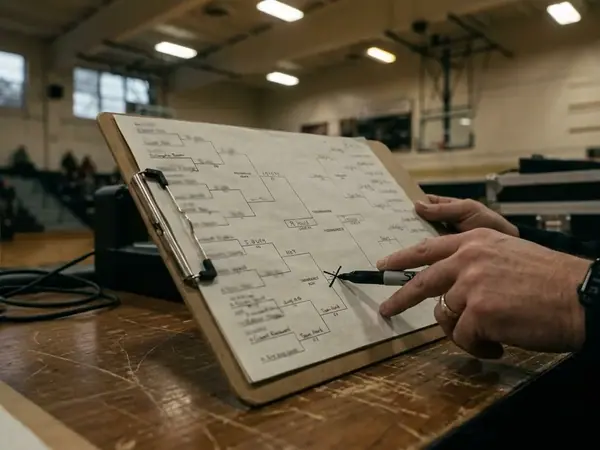
Keep a screenshot of the current brackets & schedules with your transport notes. If a departure time moves, you can see immediately which part of the day has room to absorb it. For broader entry and destination preparation, review the official travel guidelines for the Bahamas before departure.
First Half Action: Managing the Early Tip-Offs
Morning basketball carries its own rhythm. Tropical light pours across the walk to the venue, then the doors open onto cool air, sneaker squeaks, whistles, and a game already moving at full speed. The crowd may still be finishing coffee when a breakout freshman guard begins setting the tempo before noon.
Handle the Doubleheader
The turnaround between consecutive early games leaves roughly 25 to 40 minutes for reseating and fluid intake. Use the first part of that break for practical work. Refill water, check the next seating area, and make any necessary stop before spectators begin moving back toward the court.
- Drink during the game break rather than waiting for thirst outside.
- Keep the light layer accessible for the next stretch in the gym.
- Confirm whether the next matchup uses the same seating arrangement.
- Check news & webcasts only after the basic reset is complete.
Walking from cool gym air into outdoor heat produces a sharp temperature jump inside the first several minutes. The swing feels sharper after two games in air conditioning. Pause in shade, apply sunscreen before stepping into direct sun, and avoid turning a short outdoor break into a rushed cross-island errand.
Early-session rule: reset where you are before deciding where to go.
The best morning plans stay simple. Watch closely, recover between games, and preserve enough energy for the evening session.
Halftime Adjustments: Strategic Meal Breaks and Island Time
The gap between afternoon and evening sessions is the halftime of the fan’s day. It looks roomy on a schedule. Once food service, transportation, changing clothes, and another security line enter the picture, the usable window tightens fast.
Run the Meal Possession
Choose the food radius first. Conch-salad and snapper counters inside the tournament hub post waits in the ballpark of 18 to 30 minutes between 12:30 and 2:00 p.m. Staying near the hub keeps the return leg predictable and gives local Bahamian cuisine a proper place in the day.
- Check the next tip and set a firm time to rejoin the arena queue.
- Select a nearby counter before the session ends.
- Order promptly, especially during the midday rush.
- Finish the meal before adding any island activity.
- Return with tickets and identification already in hand.
A long sit-down meal can work when the next game is optional. When the evening matchup anchors the day, counter service offers tighter control. Fresh snapper may suit a slower break; conch salad is easier to fold into a compact turnaround.
Add One Clean Reset
A swim or market loop fits inside a window of roughly 45 to 70 minutes before the next security line. Pick one. A brief swim clears away the indoor chill and restores the island feel, while a market walk adds local texture without committing the whole afternoon.
Set a turnaround alarm before entering the water or starting down the market row. The alarm should signal departure, not the beginning of one last purchase or another swim.
Guard the Gap
Open-ended exploring causes the most trouble here. Cap the distance, know the return route, and leave enough time to pass security before the evening crowd reaches the doors.
Second Half Execution: The Energy of Evening Sessions
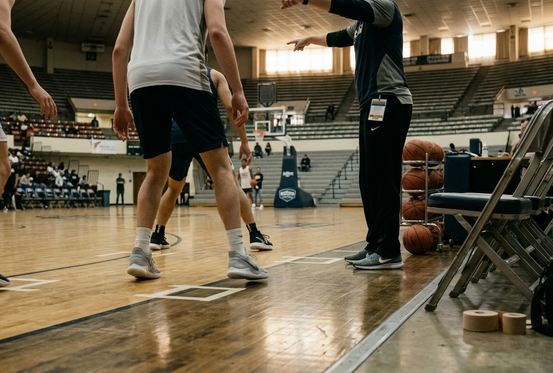
After sunset, the tournament changes register. Daytime conversations give way to louder introductions, denser team sections, and games carrying more visible bracket weight. Alumni bands lift the room, every transition basket pulls people to their feet, and the arena finally reaches its game-day peak.
Put Points on the Board
Lower-bowl seats reach capacity somewhere in the range of 35 to 50 minutes before the night tip. Fans targeting those sections should finish dinner, island activities, and transportation well ahead of that window. Arriving early also creates time to find the correct team section instead of taking the first open seat near the entrance.
- Enter with the group if sitting together matters.
- Choose seats before visiting concessions.
- Join the alumni section early enough to catch band introductions.
- Save transport details offline in case the gate area becomes crowded.
The night air softens the trip back outside. Evening temperatures settle into a mild band, making the postgame walk more comfortable than the midday transition. That comfort can disguise a slower exit, though. Cruise-terminal foot traffic sometimes merges with arena departures along the same waterfront road.
Choose the Marked Exit
Marked resort-shuttle corridors clear the main gates in roughly 12 to 22 minutes after the final horn. Follow venue signs and join the correct lane before opening highlights or debating the final possession. A five-minute conversation is easier once the group has reached its transport queue.
This is also the moment to check official news & webcasts for the next day’s tournament details. Make the shuttle-board check part of the evening routine, then let the celebration continue.
The Final Result: Postgame Celebrations Under the Stars
A well-run schedule delivers both sides of the Junkanoo Jam: elite college hoops inside and a memorable Bahamas experience beyond the doors. The games remain the fixed points. Meals, swims, markets, and postgame plans fill the spaces without pushing against the next tip.
Beachside patio debriefs commonly continue for anywhere from 40 to 75 minutes past the last buzzer. That is enough time to revisit a late three-pointer, compare tomorrow’s matchups, and settle the friendly argument over which player changed the game.
The evening has one final practical beat. Confirm the next morning’s shuttle, set out the light arena layer, and put the mobile ticket on charge. Then close the schedule.
On an open-air beachside patio, a group of alumni in matching team colors leans across a table. One reenacts the night’s best defensive stop with a quick sweep of his hand. Glasses clink beneath the Bahamian night sky as the last argument over the winning play begins again.